

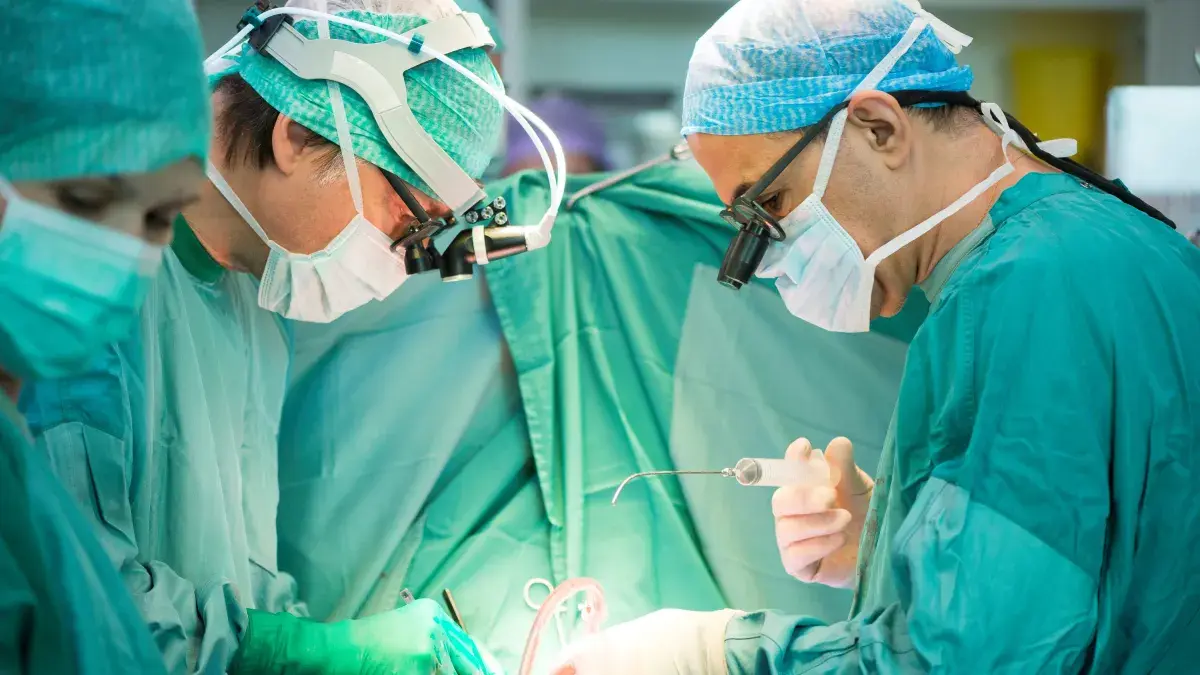
The treatment involves precisely editing DNA in veins to be used during heart bypass surgery to boost the production of a protective protein.
The treatment could help extend the lifespan of blood vessels used during the surgery and significantly improve patient health, experts say.
Heart bypass
Heart bypass surgery – an operation to improve blood flow to the heart – is a life-saving treatment for patients with coronary heart disease.
The process typically uses one artery and two or more veins as bypass grafts – healthy blood vessels used to bypass a narrowed or blocked artery – creating a new route for blood to flow.
Vein grafts used in this type of surgery can fail because they are not naturally designed to withstand the high pressure of blood flow from the heart.
Protect grafts
The PROTECT study, led by NHS Greater Glasgow and Clyde and the University of Glasgow in collaboration with NHS Golden Jubilee and the University of Edinburgh, is trialling a new gene therapy designed to support newly grafted blood vessels.
The treatment will introduce a gene, which produces a protein called TIMP-3, into the vein to be grafted.
TIMP-3 is involved in tissue remodelling. Higher levels of the protein could help to prevent thickening and blockage of the blood vessel over time, scientists say.
Exciting milestone
The research team has developed a way to treat the graft directly at the time of surgery, safely and efficiently delivering the gene therapy to the affected tissue before grafting into the heart.
It is hoped the treatment will help to extend a patient’s healthy life expectancy and reduce the need for further surgeries, experts say.
The clinical trial is supported by the Medical Research Council and British Heart Foundation and has received additional support from the Cell and Gene Therapy Catapult, University of Glasgow Impact Accelerator Award and Northern Alliance Advanced Therapy Treatment Centre, as well as the Universities of Bristol and Cardiff.